
-
Natural Unheated Ruby & Diamond Men's Ring in 14K Yellow Gold
Regular price $10,500.00Sale price $10,500.00 Regular price$12,000.00Sale! -
Natural Ruby & Diamond Twisted Band Ring in 18K Yellow Gold
Regular price $3,000.00Sale price $3,000.00 Regular price$3,300.00Sale! -
Natural Ruby & Diamond Ring in 18K Yellow Gold
Regular price $3,000.00Sale price $3,000.00 Regular price$3,300.00Sale! -
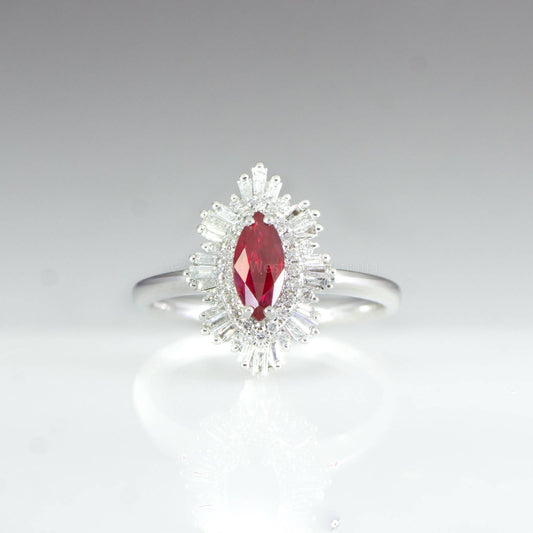
Natural Ruby and Diamond Ring in Platinum 950 - 0.55ct Oval Ruby
Regular price $3,000.00Sale price $3,000.00 Regular price$3,400.00Sale! -
Natural Ruby and Diamonds Ring Round Ruby and Diamond Ring
Regular price $2,500.00Sale price $2,500.00 Regular price$2,800.00Sale! -
Natural Ruby Diamond Ring Ruby Halo Engagement Ring 18K Gold
Regular price $3,500.00Sale price $3,500.00 Regular price$4,000.00Sale! -
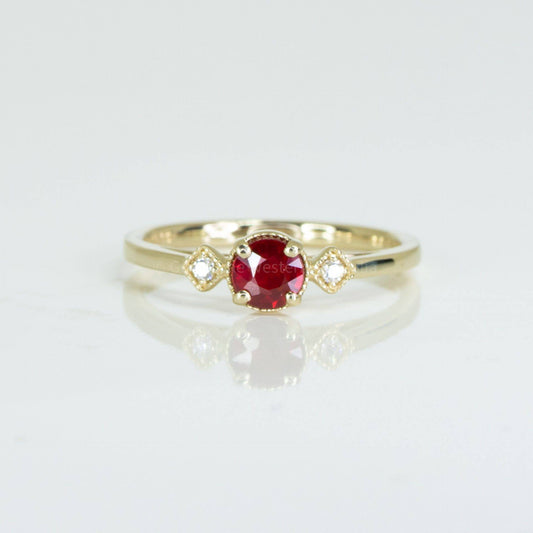
Unheated Ruby Three Stone Ring in 14K Yellow Gold
Price On ApplicationPrice on applicationSold out -
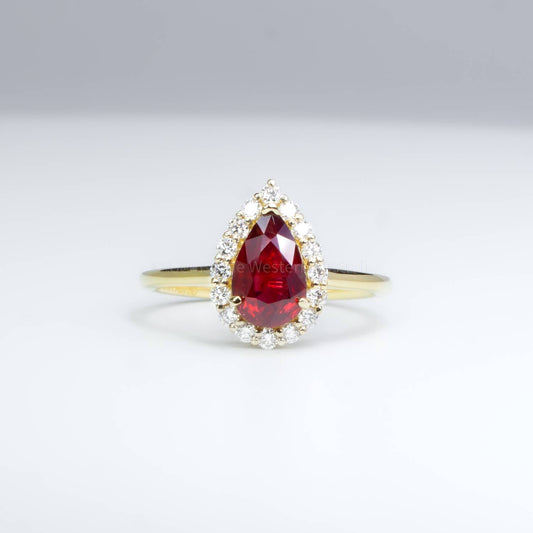
Unheated Natural Ruby 1.61ct Pear Ruby Halo Ring
Regular price $15,500.00Sale price $15,500.00 Regular price$16,000.00Sale! -
Natural Unheated Ruby Three Stone Halo Ring Ruby and Diamond Three Stone Ring
Regular price $8,500.00Sale price $8,500.00 Regular price$9,500.00Sale! -
Natural Ruby Ring with Pear-Shaped Diamonds and Halo of Round Diamonds in 18K Yellow Gold | Natural Gemstone Jewellery
Regular price $12,000.00Sale price $12,000.00 Regular price$12,500.00Sale! -
Natural Round Ruby Halo Ring | 18K Yellow Gold Ruby Ring
Regular price $3,600.00Sale price $3,600.00 Regular price$3,800.00Sale! -
Art Deco Unheated Vivid Red Ruby Ring and Diamonds | Ruby and Diamonds Ring
Regular price $8,000.00Sale price $8,000.00 Regular price$9,000.00Sale! -
2.95ct Natural Ruby Diamonds Ring | Unheated Ruby and Diamond Halo Ring in Platinum
Regular price $16,000.00Sale price $16,000.00 Regular price$17,000.00Sale! -
1 Carat Pear Mixed-Cut Ruby Halo Ring in Platinum | Pigeon Blood Red Colour Ruby Ring
Regular price $12,000.00Sale price $12,000.00 Regular price$13,500.00Sale! -
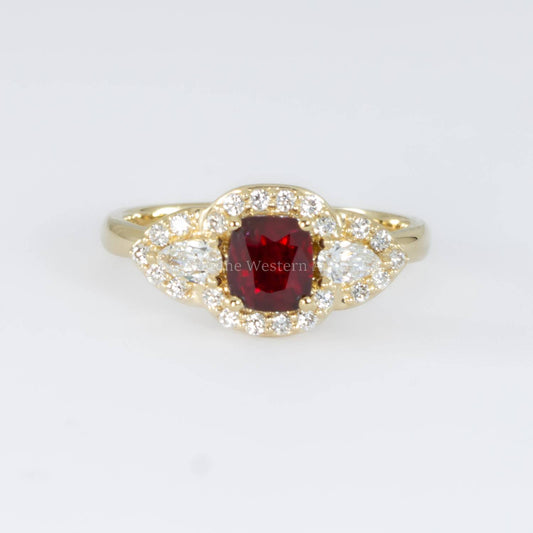
1 Carat Cushion Cut Ruby and Diamond Halo Ring in 18K Yellow Gold
Regular price $8,000.00Sale price $8,000.00 Regular price$9,000.00Sale! -
0.50ct Diamond Ring with Ruby Halo in 18K Gold
Regular price $4,300.00Sale price $4,300.00 Regular price$5,000.00Sale!







Frequently Asked Questions About Ruby Rings
Yes. At 9 on the Mohs scale ruby is second only to diamond in hardness. It handles daily wear better than almost any other coloured stone.
We stock both, and each stone is labelled. Heat treatment is standard across the trade and produces perfectly good stones. Unheated material of equivalent colour is rarer and priced higher.
Colour. Ruby pricing rises steeply with quality rather than gradually, so a fine stone can cost several times what an ordinary one of the same weight does.
Usually. Ruby tolerates the heat of resizing better than emerald, though it still depends on the setting. Eternity bands and rings with stones around the shank are more limited.
Yellow gold warms darker stones, white metals sharpen vivid reds, rose gold suits lighter pinkish material. It is aesthetic rather than structural — ruby is hard enough for any of them.
Yes. Most custom work begins with selecting a loose stone and designing the setting around it. Four to eight weeks from design approval.
Colour drives price far more than size. Tell us your budget and we will show you what it buys.